

Coche eléctrico, de la incertidumbre a las oportunidades en plásticos técnicos

Coche eléctrico, de la incertidumbre del sector a las oportunidades en plásticos técnicos Nuestro sector principal es automoción, y el coche eléctrico sigue generando debate en Europa, tradicionalmente enfocada a vehículo de combustión. Ya no solo por la burocracia impuesta a los fabricante y las emisiones de CO2 emitidas, si no también por los costes […]
UL-94 en la inyección de plástico ¿Qué es?

UL-94 en la inyección de plástico ¿Qué es? UL-94 corresponde a las iniciales de Underwriters laboratories, empresa americana con más de 100 años de historia ubicada en Illinios, Estados Unidos. Esta nomenclatura hace referencia a la norma de flamabilidad para clasificar y certificar a los termoplásticos en varios grupos, según el grado de retardante a […]
Plásticos de Ingeniería: PBT
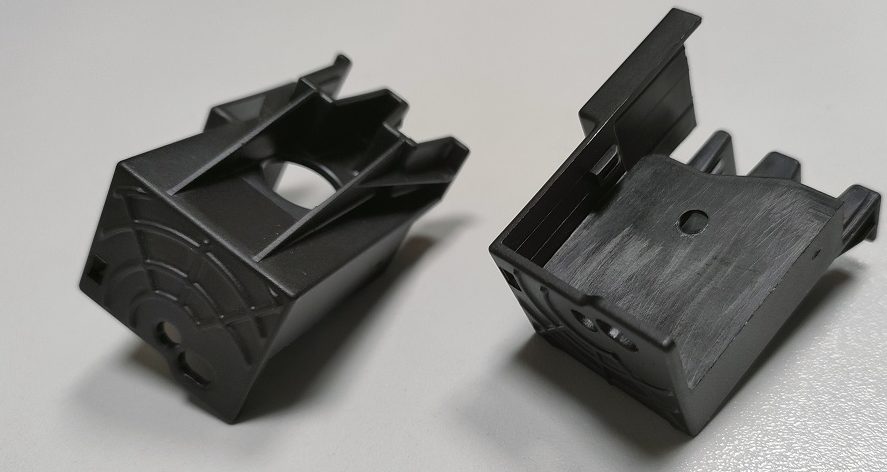
Plásticos de Ingeniería: PBT PBT son las siglas de Tereftalato de polibutileno, uno de los termoplásticos de ingeniería que inyectamos con diferentes aditivos como fibra de vidrio en Zatec como empresa de inyección de plásticos técnicos para diferentes aplicaciones como electrónica, automoción, hornos, grifería… ¿Como se obtiene? El PBT se obtiene por la policondensación(proceso químico […]
Reunión de trabajo ¿necesaria o perdida de tiempo?

REUNIONES DE TRABAJO ¿Alguna vez has salido de una reunión igual que has entrado? ¿el tema de conversación acaba derivando en cualquier otro tema diferente del inicial? ¿para qué hacemos esta reunión? Estas son algunas de las preguntas que todos nos hemos hecho en algún momento, con la sensación de perder el tiempo y todavía […]
Tampografía en inyección de plásticos

Tampografía Es un proceso industrial donde se transfiere la tinta a la pieza, sea regular, irregular, cóncava o convexa…, de manera indirecta a través de un tampón, y es comúnmente empleado como actividad complementaria en la inyección de plásticos para el marcaje de piezas de plástico. Es una solución sencilla, precisa y más o menos […]
Plastic Injection, situation in automotive about COVID-19
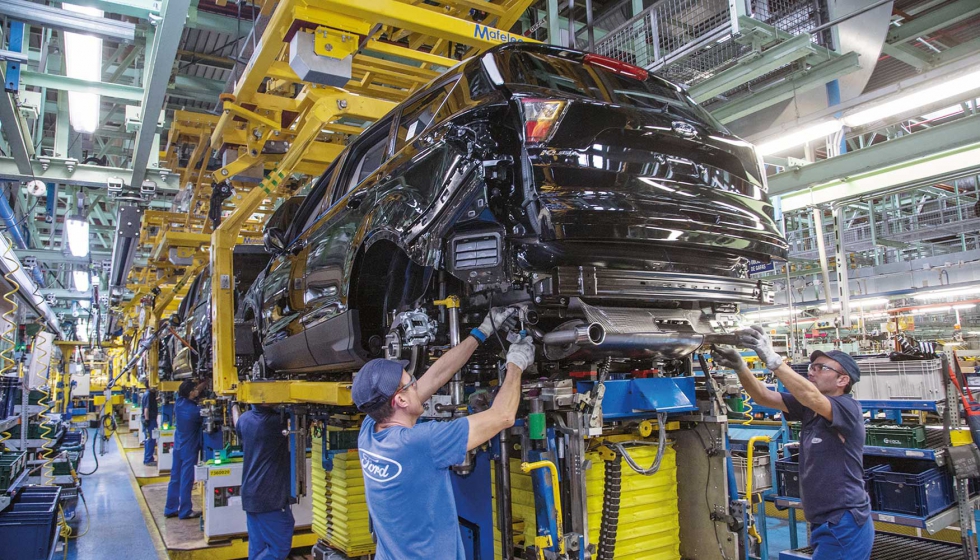
Unfortunately, today is very difficult to talk without saying the word of COVID-19. Despiste of this, laying aside the santitary situation, where we do not pretend deepen now(although we understand this is the most important), but obviously we must to take a conscience of near future based on this eventually moment, due to automotive market […]
Corporate Social Responsability in Zatec
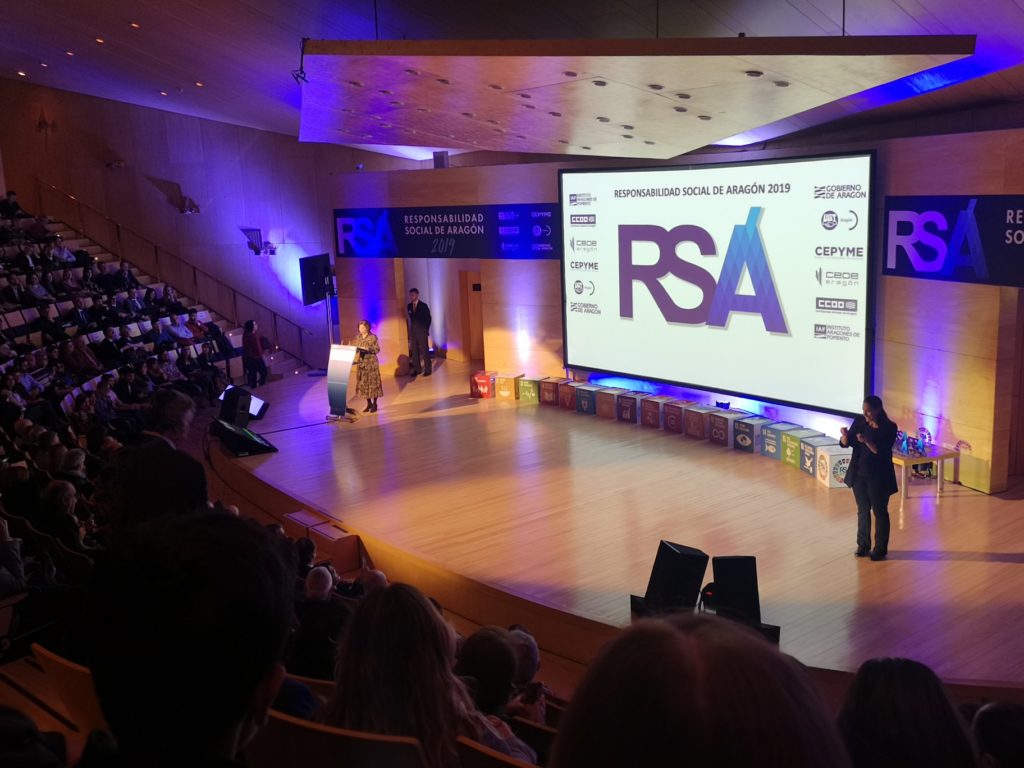
Beyond of certificated and applied standards of our sector or sectors that we are working, for example the IATF-16949 of Automotive market, in Zatec like an injection molding company of technical parts in enginerring plastics, we have a target to develop year on year the Corporate Social Responsability Area grouping all good practices that we […]
Zatec estará en la Feria Internacional de Subcontratación 2017
Subcontratación 2017 Un año más, Zatec estará presente bajo el paragüas del stand 5/ D-37/41 agrupado del Clúster de automoción de Aragón(CAAR), en la Feria Internacional de Subcontratación 2017 en Bilbao (más concretamente en el Bilbao Exhition Center de Barakaldo). En esta feria se dan cita empresas de muy diversos sectores y diferentes procesos de fabricación(en […]
Inyección de piezas técnicas con poliamida
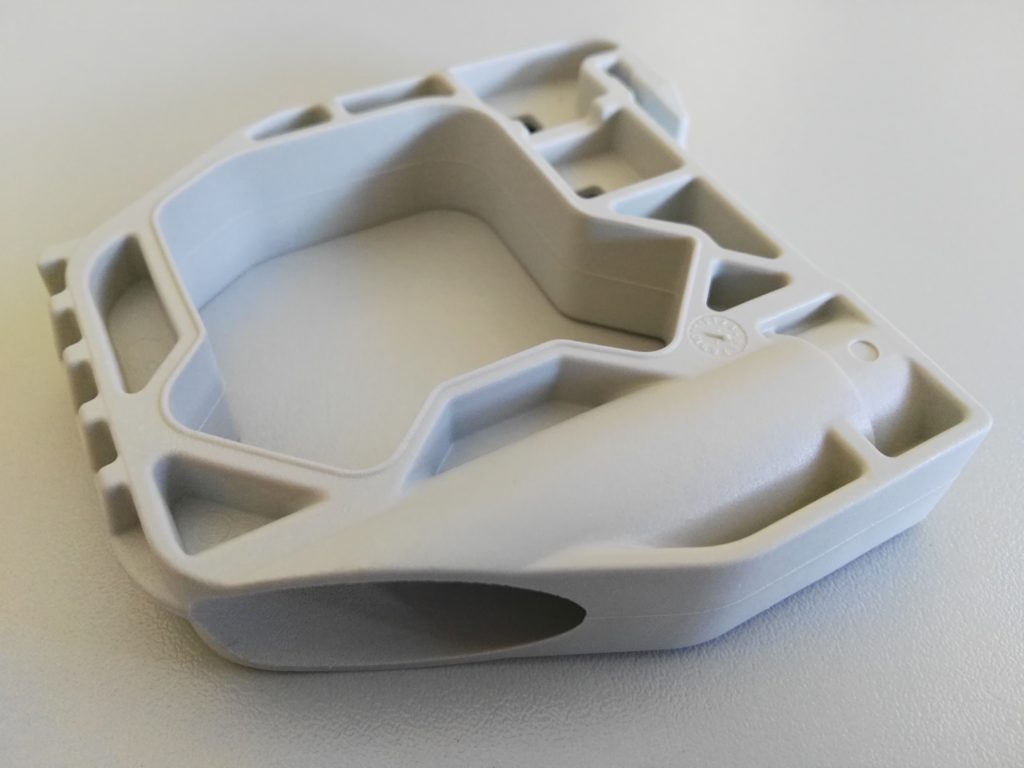
Inyección de piezas técnicas con poliamida Probablemente la materia prima mas empleada en Zatec sea la poliamida. Por ello, en este post vamos a hablar a modo de pequeño resumen de inyección de piezas técnicas con poliamida, con sus aplicaciones y características generales para estos componentes, bien sea PA6, PA66… etc y con diferentes aditivos. Cuantas […]
Origen y obtención de la Poliamida 6 y 66
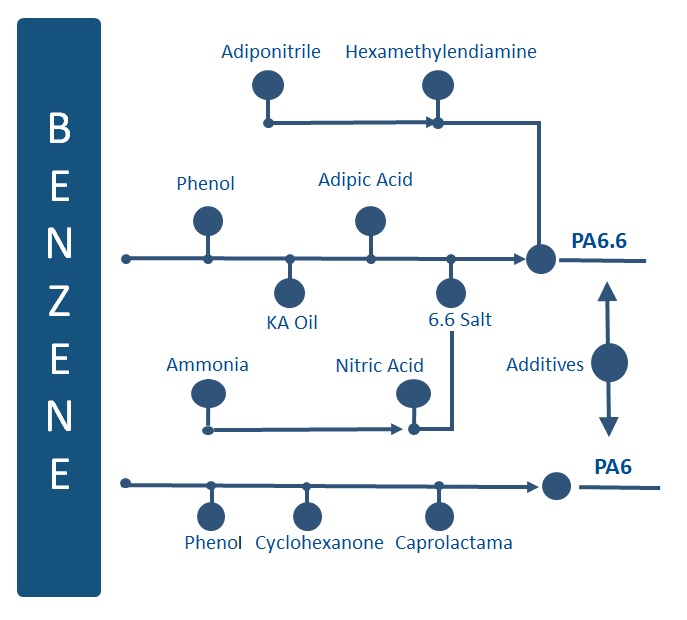
Como cada año por estas fechas, más o menos, se barrunta en el mercado posibles subidas de precios para todas aquellas materias primas derivadas del petróleo, y por tanto afecta a la poliamida. Más si cabe, con la subida del precio del Benceno en estas últimas semanas. Esto ocasiona momentos de incertidumbre para muchas empresas que […]